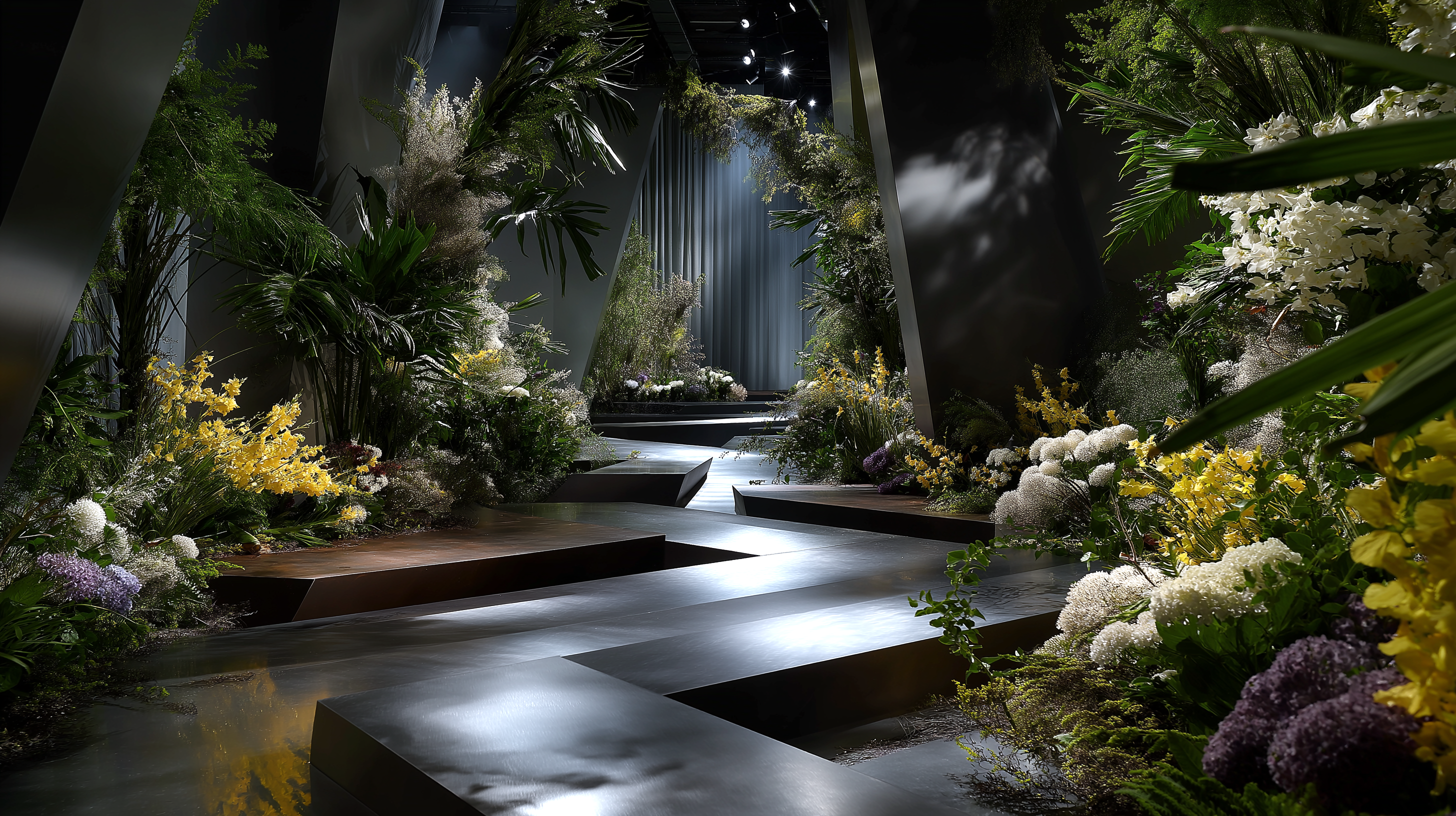
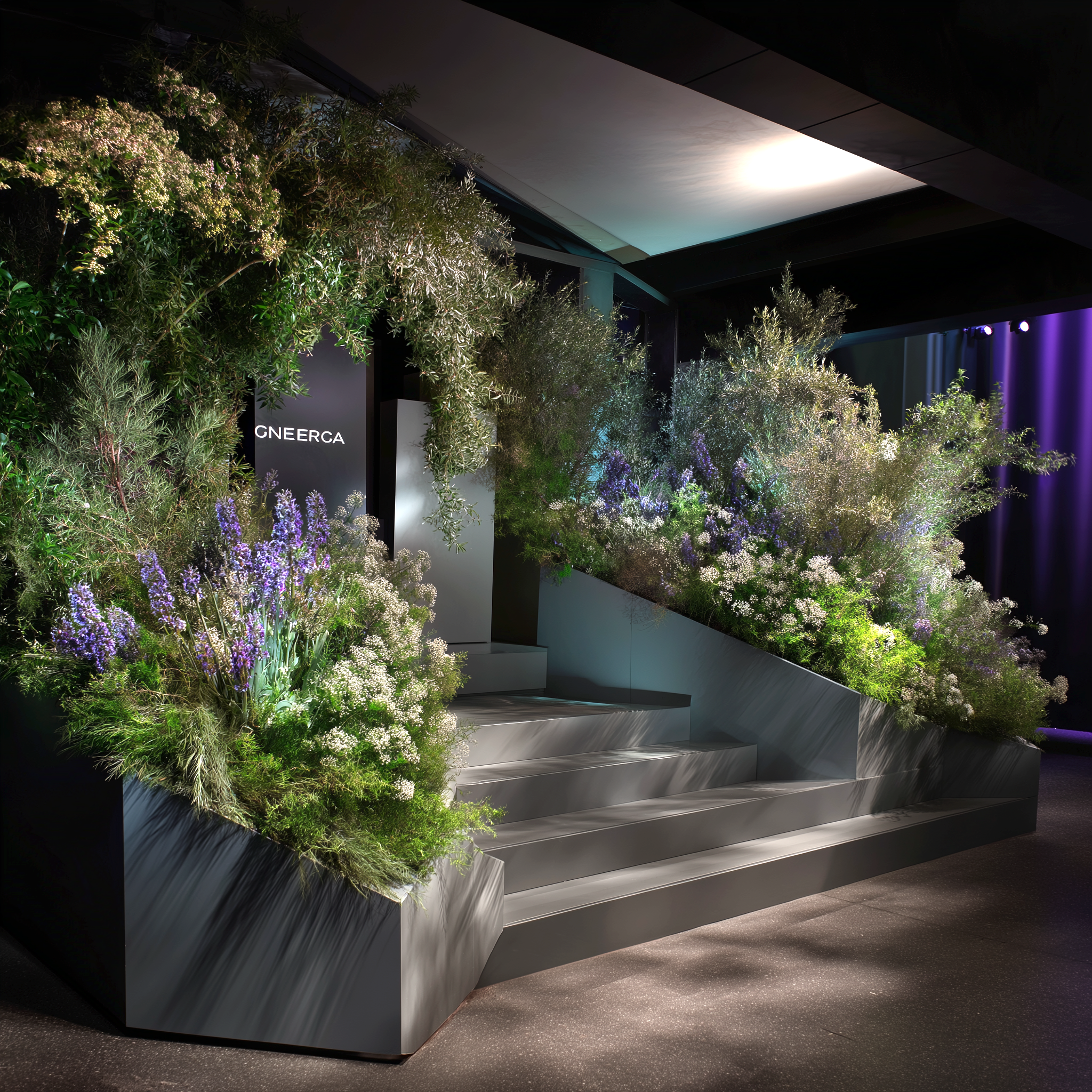
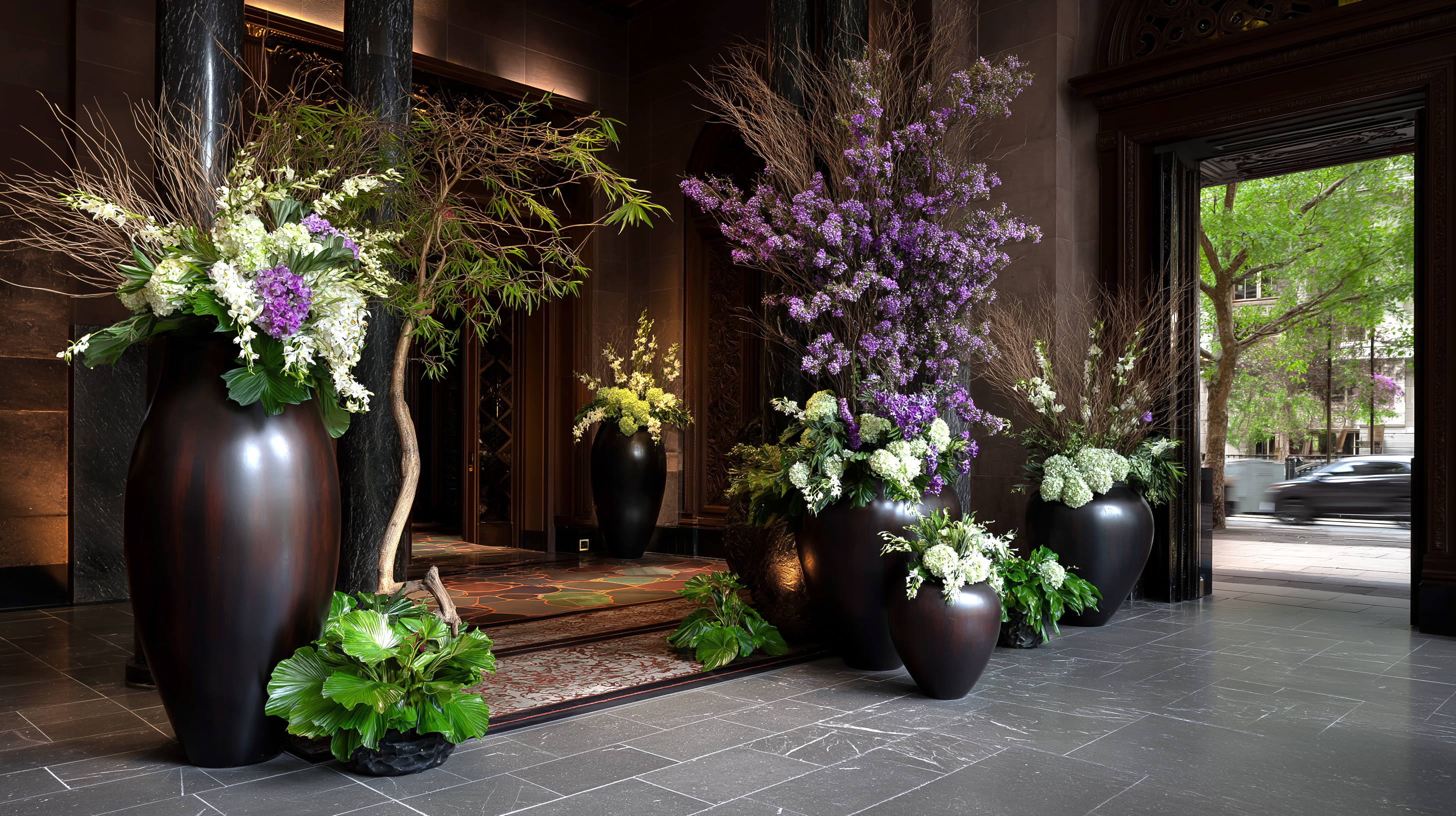
ATMOSPHERES
THE LIVING IDENTITY
OF A PLACE
Some places are remembered not only for how they looked, but for how they made us feel.
Atmosphere is created through countless relationships: between architecture and light, scale and proportion, material and movement. Flowers introduce another dimension. They bring nature into the built environment, mark the passing of the seasons and allow a space to remain alive and continually changing.
Daniel Ost creates bespoke floral environments for luxury hotels, restaurants, boutiques, corporate spaces, private residences and cultural institutions. These may take the form of recurring floral programmes, seasonal compositions or site-specific artistic installations. Each begins with the identity of the place and develops into a floral language that belongs unmistakably to it.
Our work is not conceived as an embellishment added after the architecture is complete. It becomes part of how the setting is encountered: a gesture of welcome, a point of recognition or a quiet moment of beauty within everyday life. Across Belgium, Saudi Arabia and international destinations, we create floral atmospheres that are recognisable yet never static — rooted in place, transformed through time.


LISTENING TO THE SPACE
Before introducing flowers, we first seek to understand the environment.
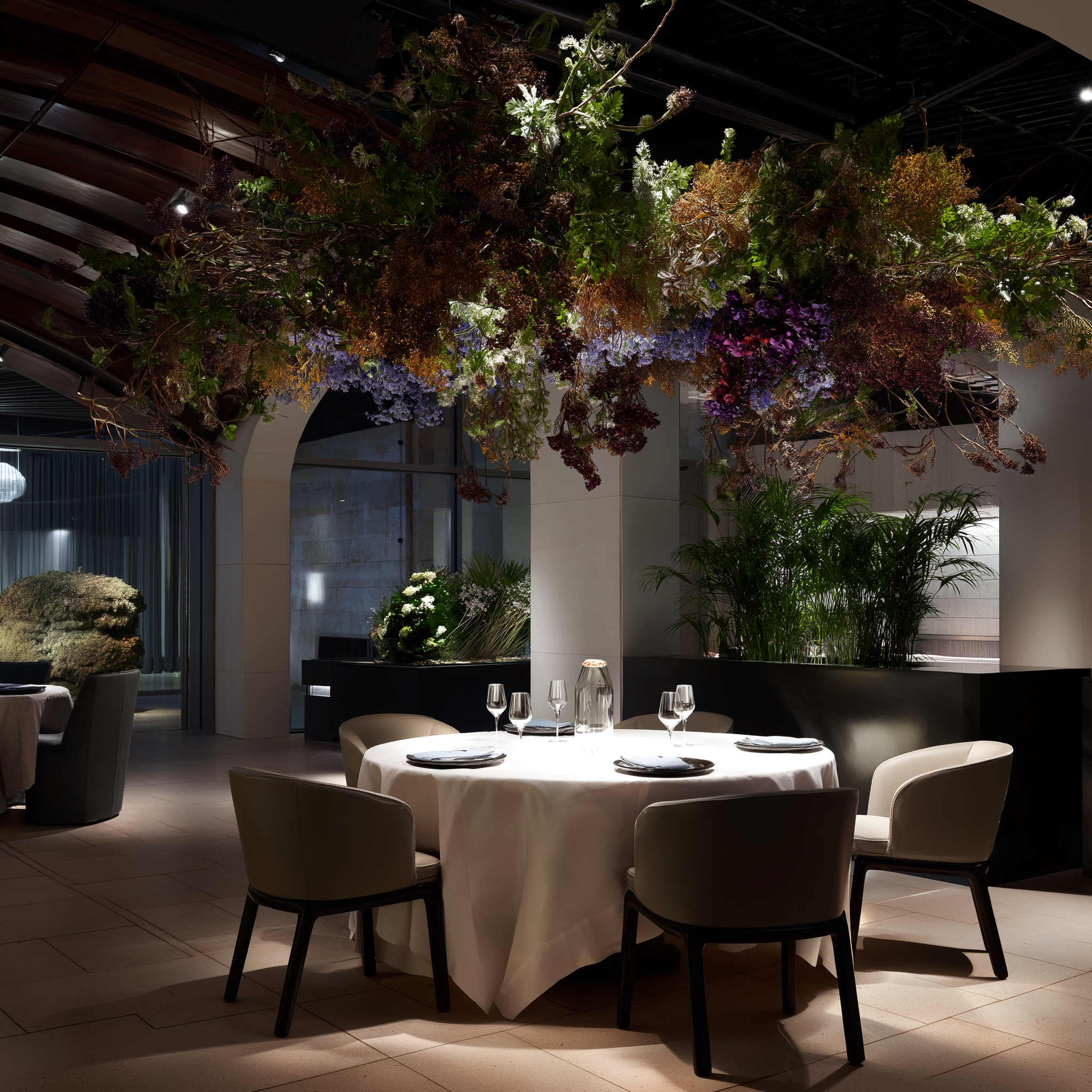
Every place has its own rhythm. A hotel lobby changes from morning to evening as guests arrive, meet and depart. A restaurant creates intimacy through the relationship between tables, light and movement. A boutique must express the identity of the maison while allowing its objects to remain central. A cultural institution asks for a dialogue with both architecture and artistic context.
We observe how people enter and move through the setting, which perspectives carry the greatest visual importance and where a floral presence can meaningfully influence the experience. Architecture, ceiling height, natural light, colour, circulation and surrounding materials all inform the composition.
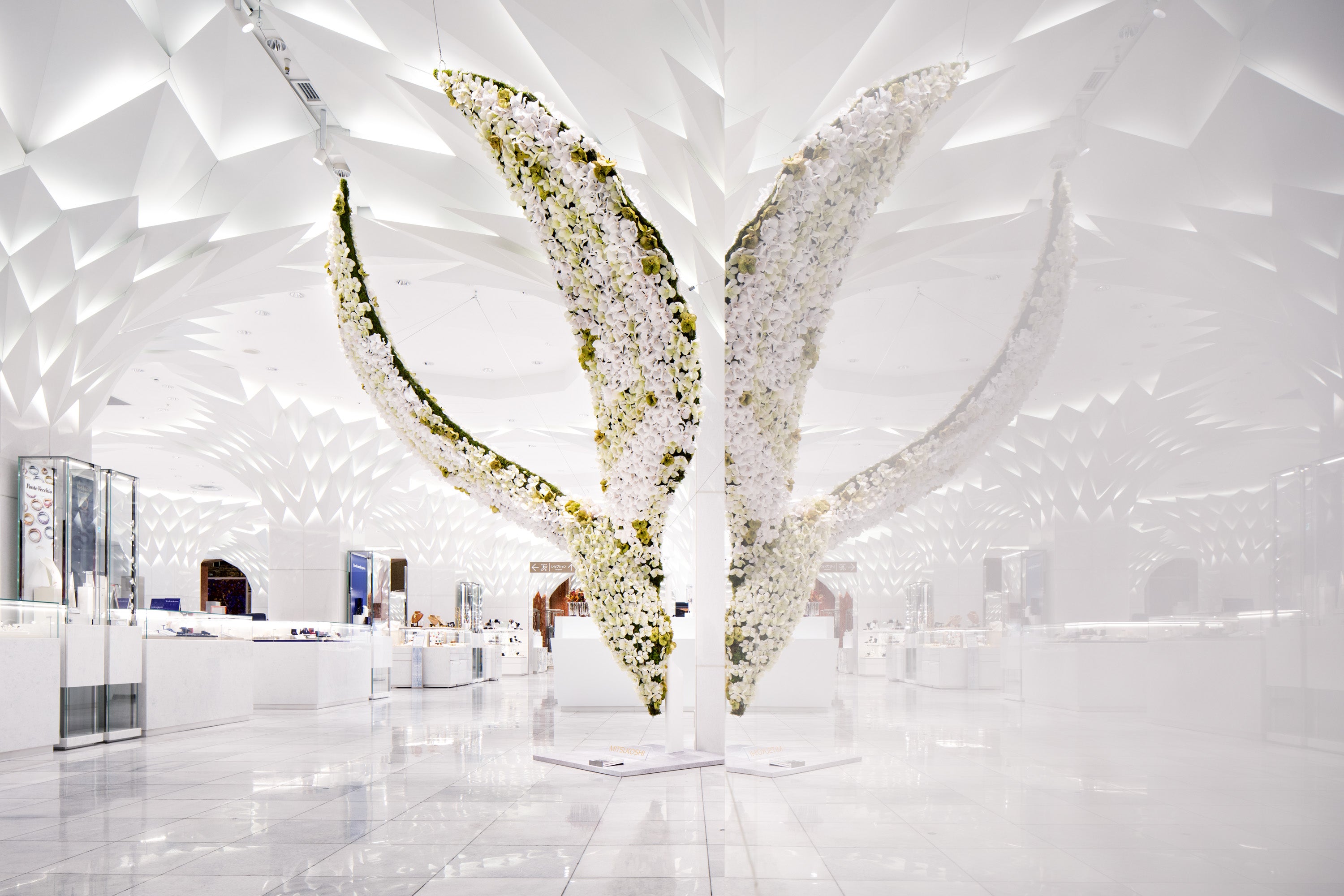
The objective is not simply to fill a space. It is to identify the gesture the space requires. At times this may be a monumental floral sculpture that defines an entrance. Elsewhere, it may be a restrained composition whose strength lies in its proportion, placement or botanical character.
By listening first, the floral design becomes part of the environment rather than an addition to it. It appears to have found its natural place.


A LANGUAGE THAT EVOLVES
A lasting floral identity must remain recognisable without becoming predictable.
We develop a creative language that can evolve across seasons, spaces and significant moments while retaining a coherent artistic signature. Form, movement, colour and choice of botanical material create continuity; their expression changes as the life of the place changes.
In a luxury hotel, this language may move from a sculptural lobby arrangement to more intimate compositions in restaurants, suites and private salons. Within a boutique or brand environment, it may respond to a collection, campaign or cultural calendar. For corporate and institutional settings, it can create a consistent gesture of welcome while allowing regular renewal and discovery.
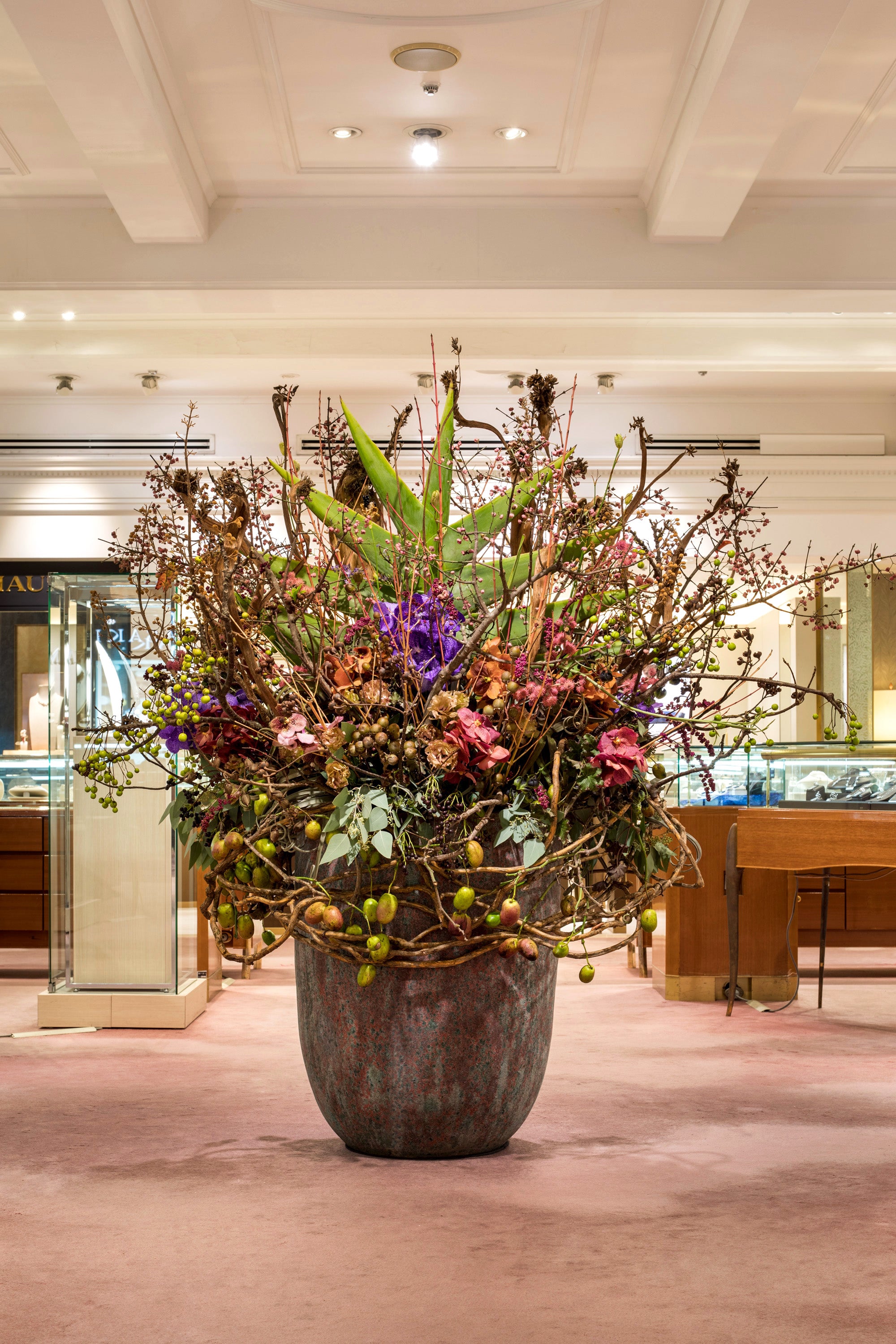
Seasonality is not treated as a decorative theme but as a source of material, atmosphere and change. A branch, an emerging blossom or a fading botanical form can communicate the character of a particular moment with greater sensitivity than an obvious seasonal display.
Through this evolution, each encounter feels new while still belonging to the same place. The floral programme becomes a living identity: familiar enough to be recognised, expressive enough to continue surprising.

PRESENCE, WITHOUT EXCESS
The strongest floral atmosphere is not necessarily the most abundant. It is the one that alters the perception of a space with clarity and intention.
A single composition can introduce movement into a formal interior, bring softness to monumental architecture or create intimacy within a large public environment. Its presence should be unmistakable, yet it should never compete unnecessarily with the place it inhabits.
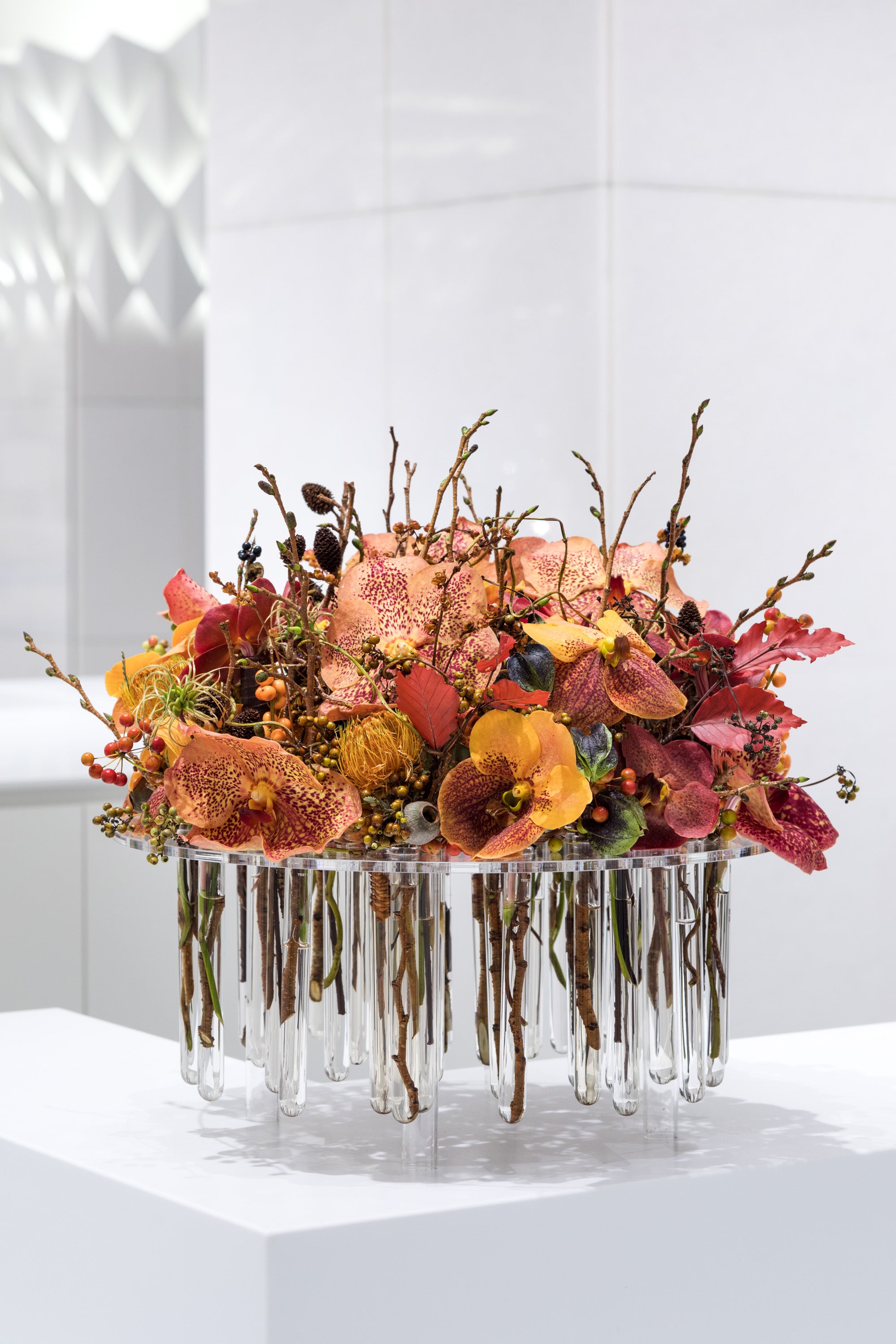
This balance requires creative restraint as much as artistic expression. Each flower, vessel, line and proportion is considered in relation to its surroundings. Nothing is included merely to add volume. The work must possess sufficient character to be remembered while allowing the architecture and purpose of the space to remain visible.
Consistency is equally important. Behind each recurring floral programme lies a disciplined process of selection, creation, installation and care. This ensures that the experience remains refined across successive visits and throughout the changing seasons.
The result is a place that feels complete, cared for and alive. Flowers become part of its character and part of what people remember—an evolving presence that gives the environment its own emotional signature.

BEGIN A CONVERSATION
Whether you are planning a celebration, shaping a space or exploring a collaboration, we invite you to share your vision with the House.