LANDSCAPES
WHERE ARCHITECTURE
BEGINS TO GROW
A landscape is never truly still.
Light moves across it. Water reflects a changing sky. Plants emerge, mature and recede. Paths become part of daily rituals, and spaces gradually acquire memories through the lives unfolding within them. Unlike an interior or an object, a landscape is not completed at one precise moment. It continues to be shaped by nature and time.
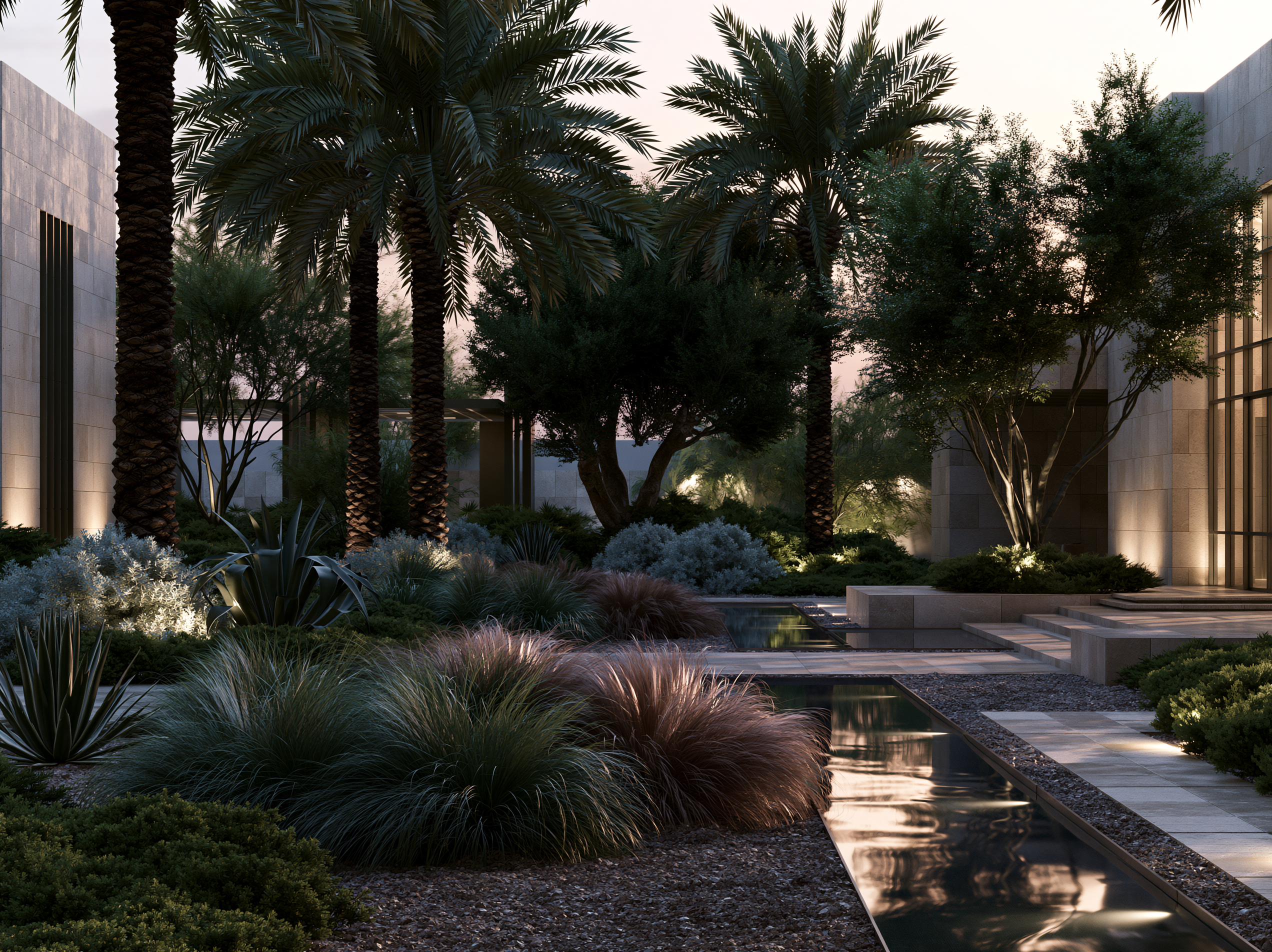
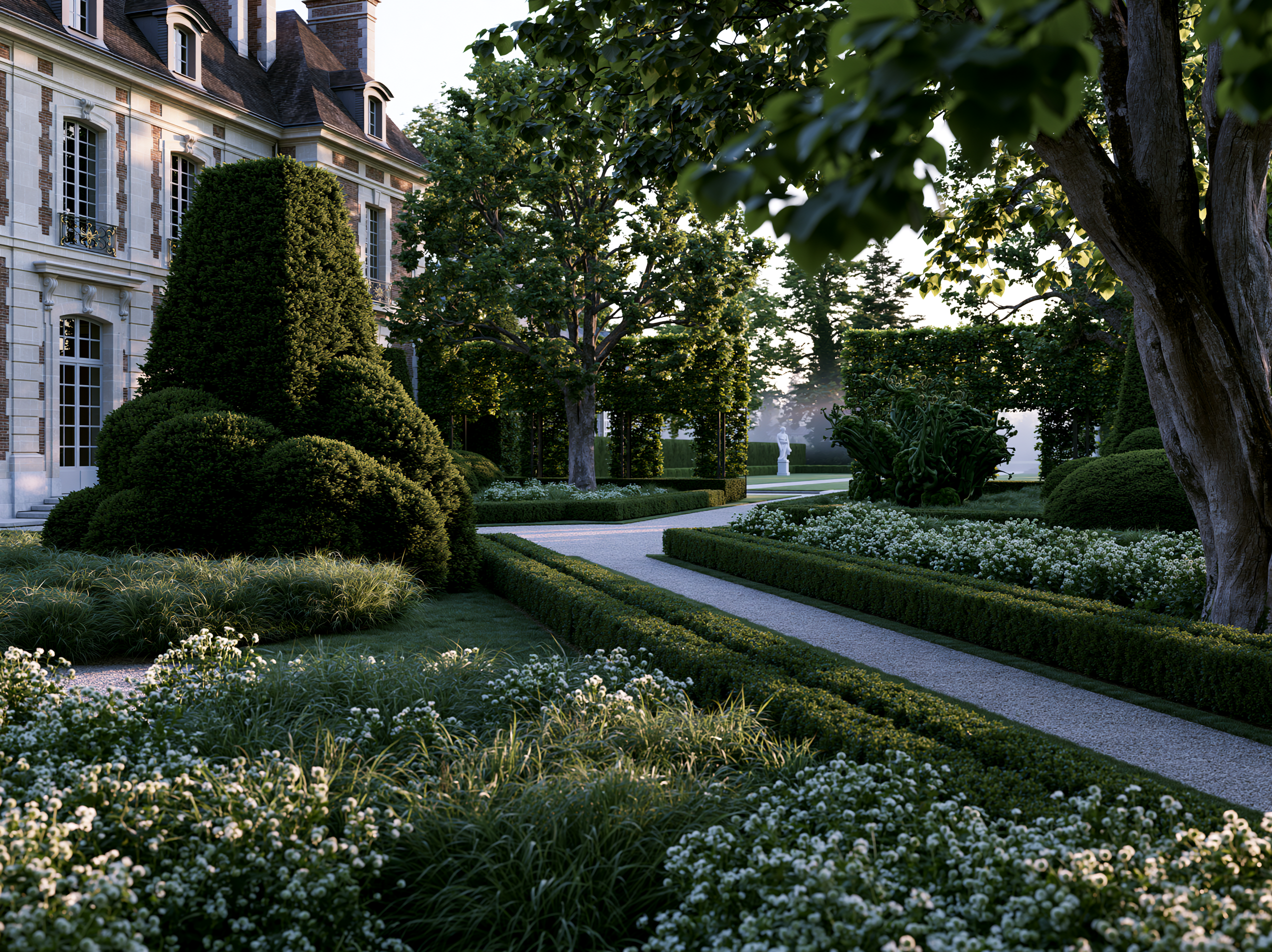
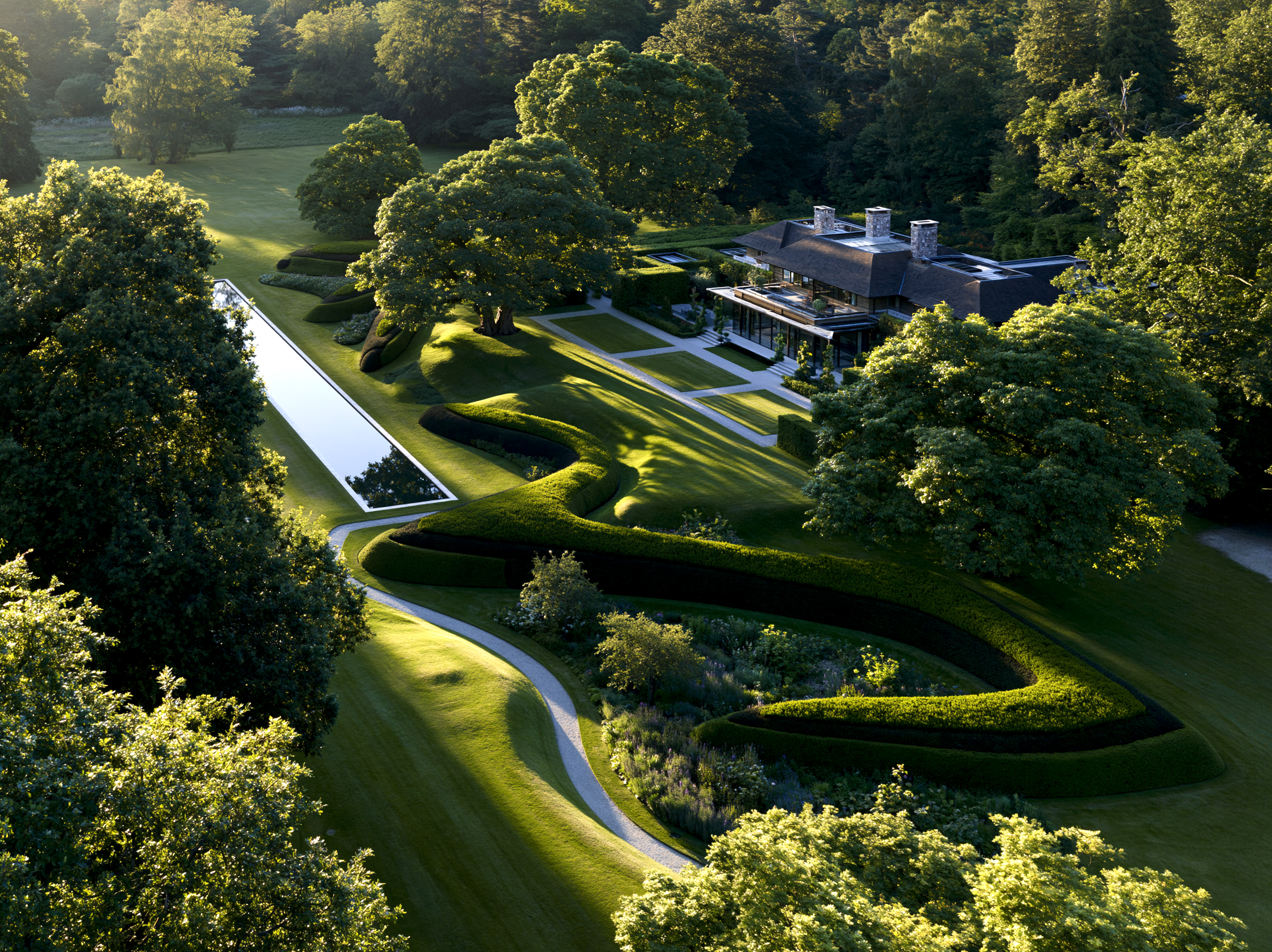
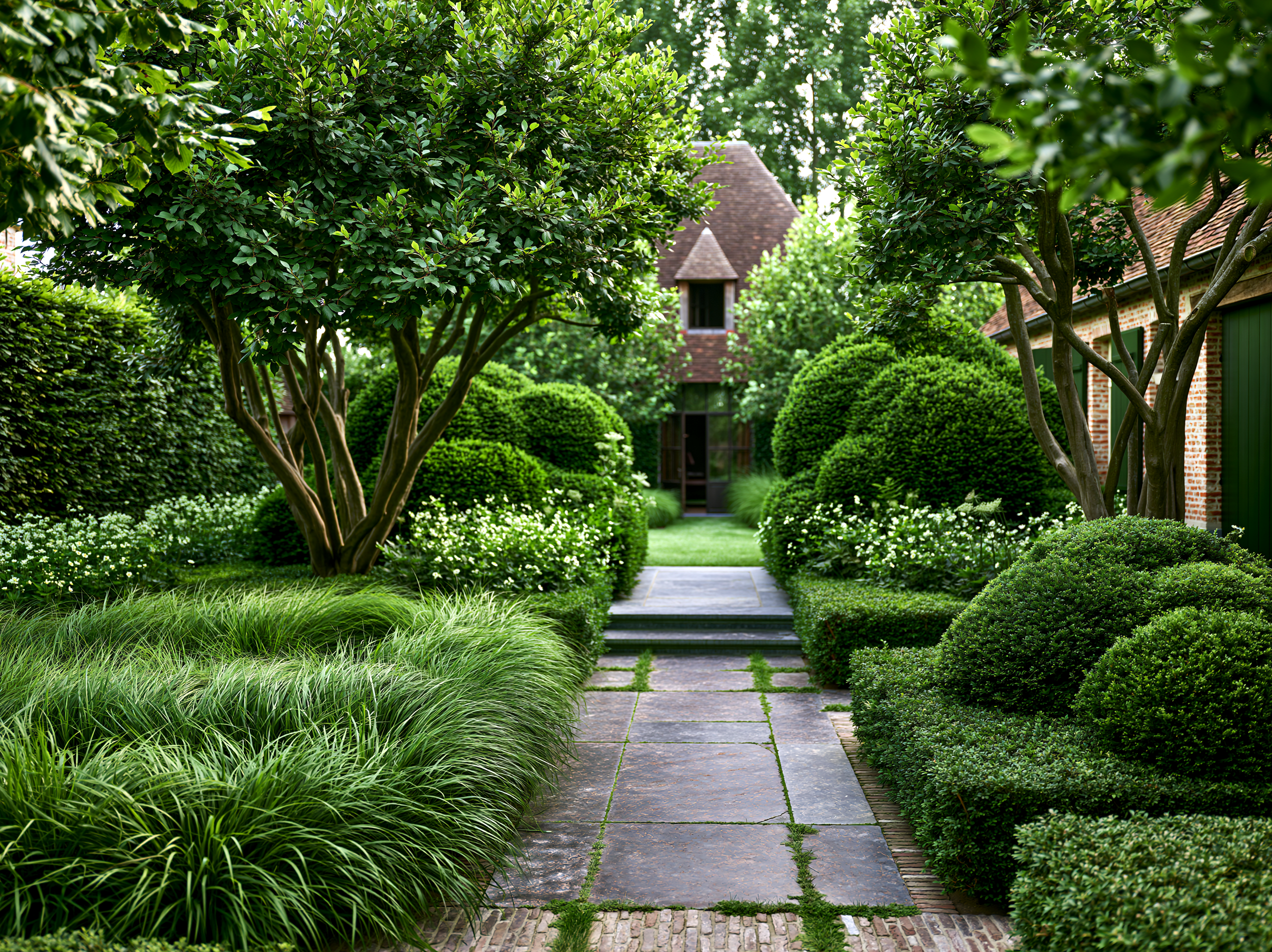
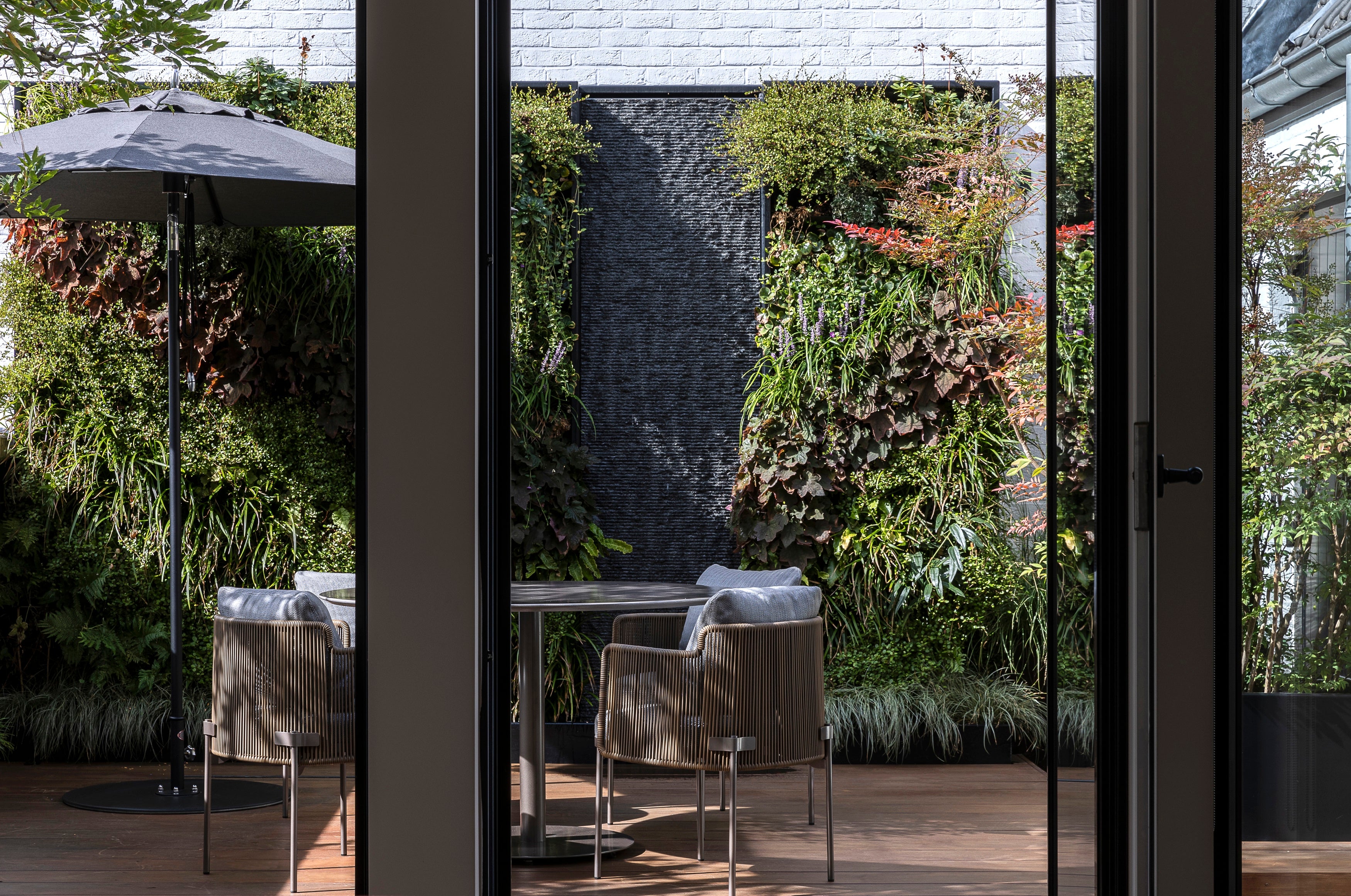
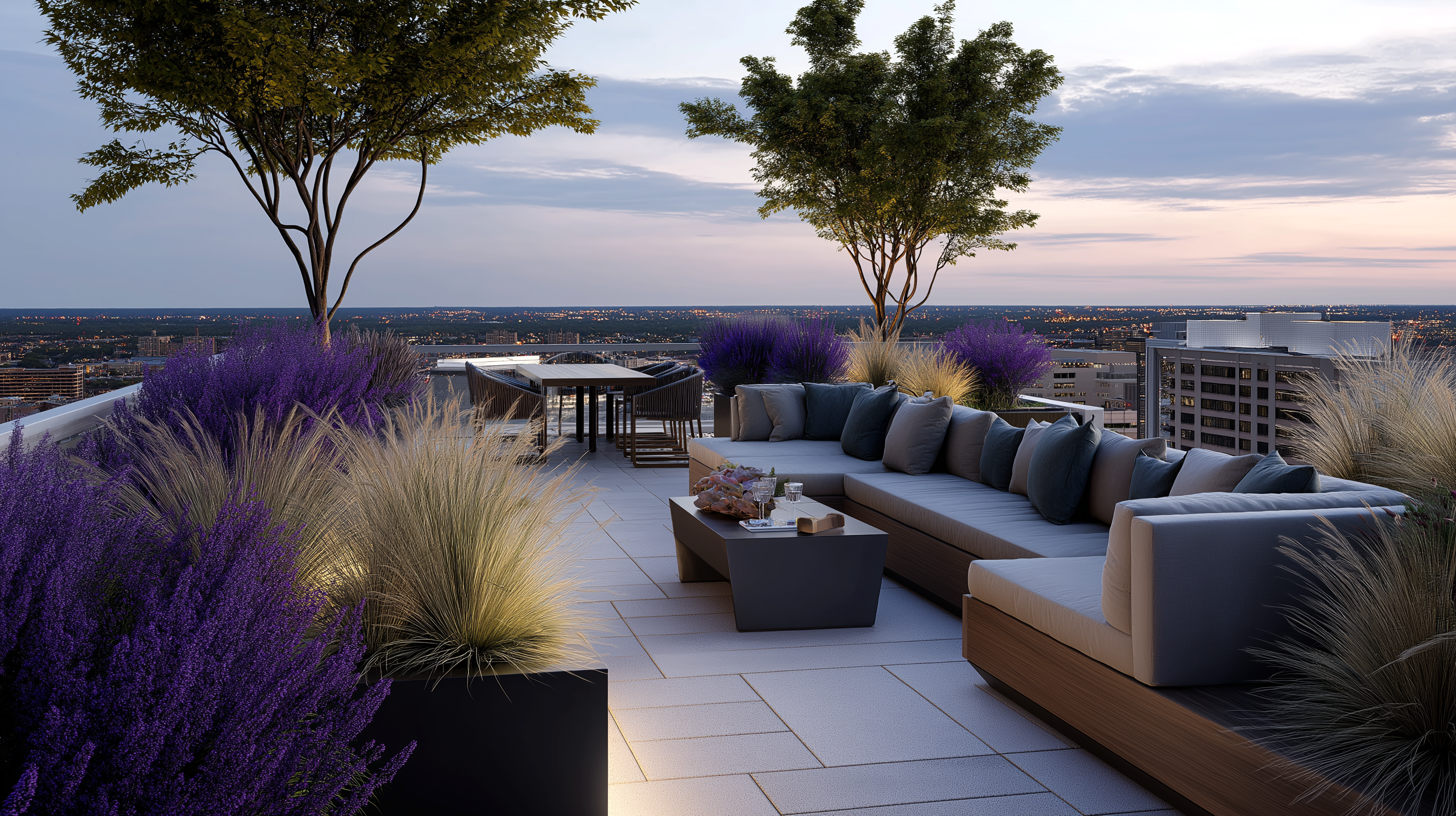
Our house designs private gardens, architectural landscapes, rooftops and public spaces as living compositions. Planting, topography, water, material and light are brought together in dialogue with the architecture and the larger character of the site.
Our approach grows from an intimate knowledge of botanical material and a sculptural understanding of space. The garden is not treated as a surface surrounding a building, but as an architecture in its own right — one that creates thresholds, frames perspectives and invites movement, stillness and discovery.
From private gardens in Belgium to urban and international landscape projects, every design begins with what is already present. The objective is not to impose nature upon a place, but to reveal what that place could become.


READING THE LAND
Before a landscape can be designed, it must first be understood.
We study its orientation, soil, climate and existing vegetation, but also its less tangible qualities: the way light falls at different hours, the views that deserve to be revealed, the elements that should remain concealed and the natural movement through the site.
Architecture provides another layer of information. Its lines, proportions, materials and relationship with the ground help determine whether the landscape should extend, soften, contrast or reshape the built environment. The lives of the people who will inhabit the place are considered with equal care. A garden must respond not only to how it will be seen, but to how it will be lived.
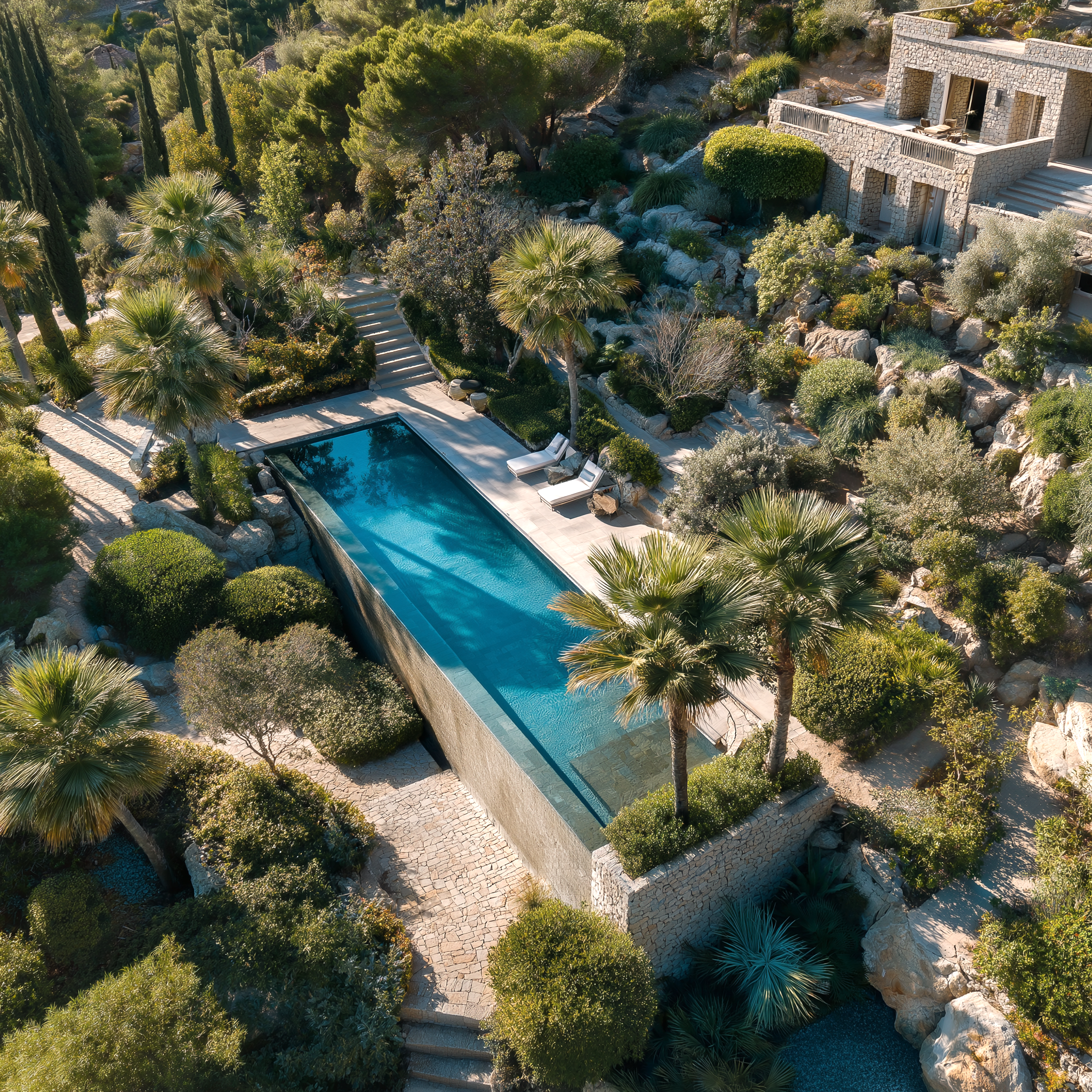
Rather than beginning with a fixed image, we search for the inherent logic of the site. Existing trees, changes in level, distant views or traces of the surrounding landscape can become the foundations of the design.
This careful reading allows the project to feel rooted from the beginning. Even when the intervention is bold or sculptural, it maintains a sense of belonging — as though the landscape had always contained the possibility of becoming what it now is.

COMPOSING LIVING ARCHITECTURE
A garden is composed through relationships.
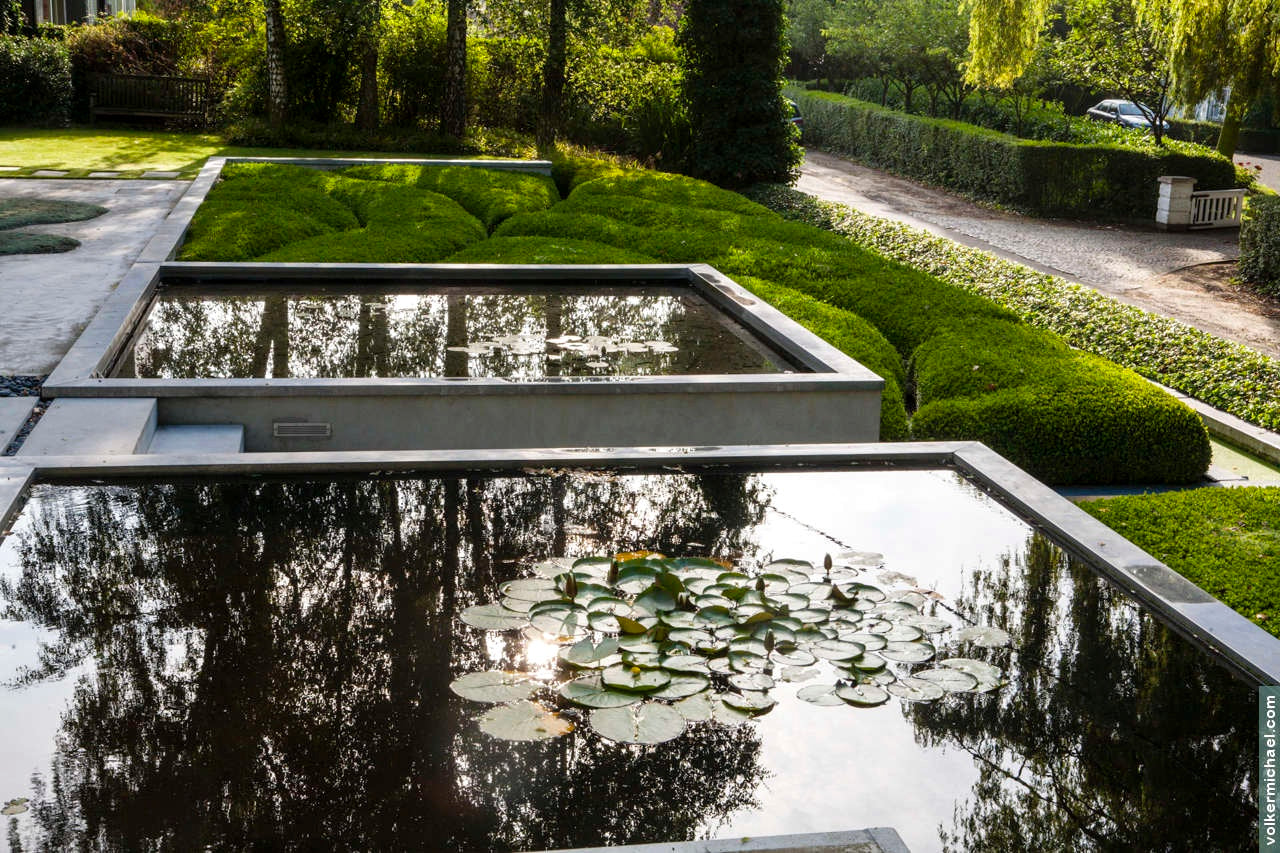
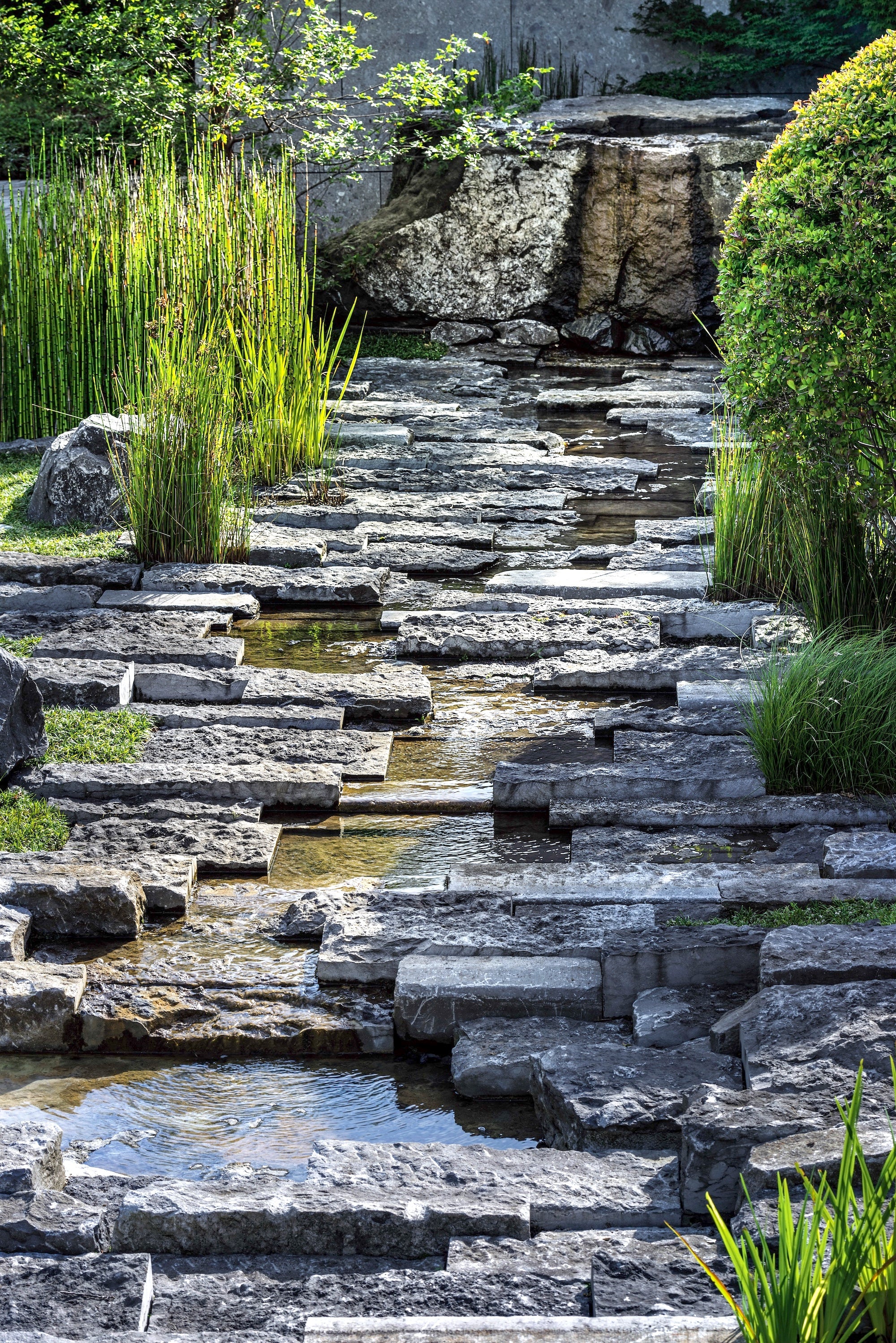
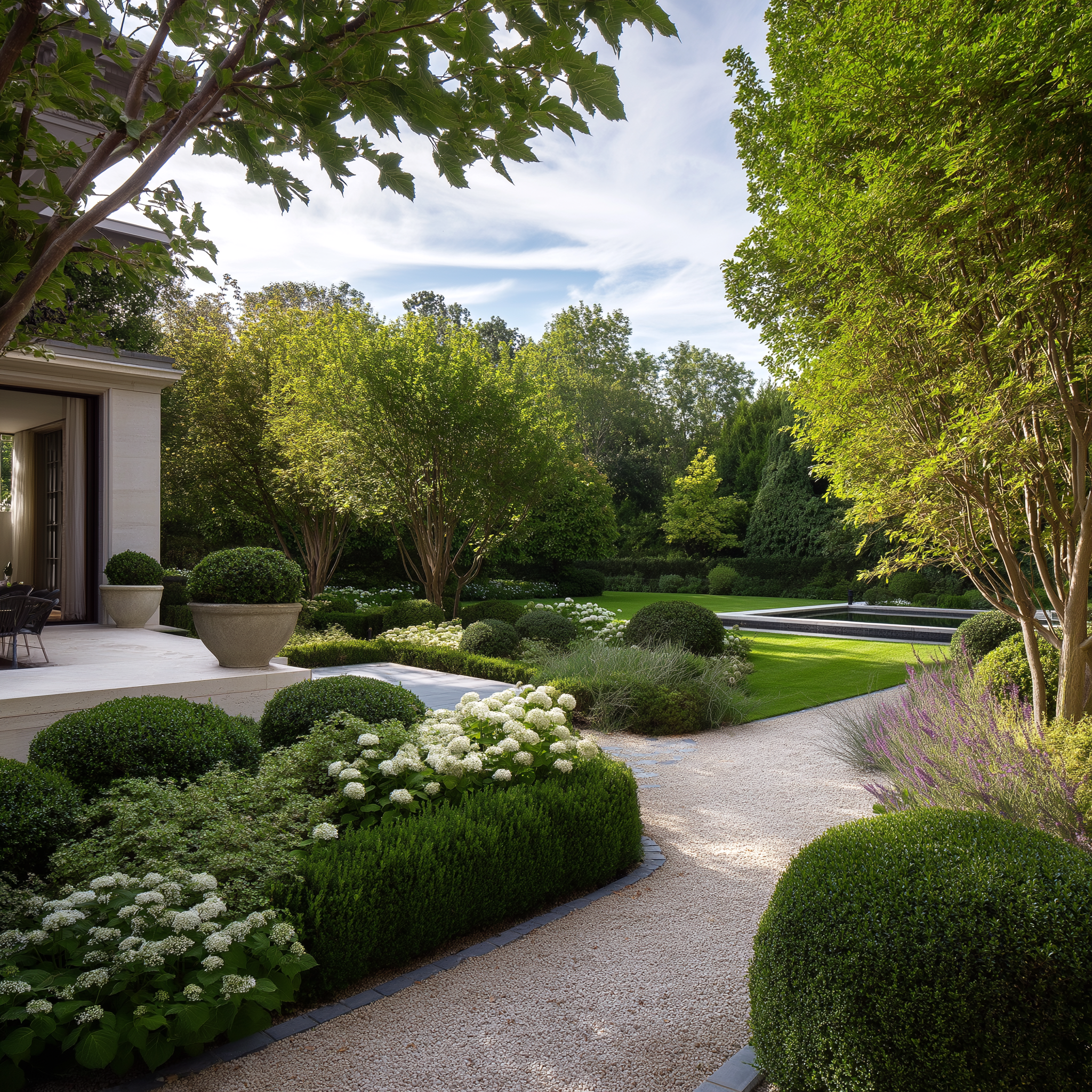
Open spaces acquire meaning through enclosure. Paths create rhythm and anticipation. Water introduces reflection, movement and sound. Planting gives structure while softening its edges, changing the experience of the landscape through growth, wind and season.
We approach these elements as one living architecture. Trees may form rooms or frame a distant perspective. Hedges and sculptural planting establish clear lines, while grasses, flowers and layered vegetation introduce freedom and movement. Materials connect the garden to the architecture, and water can become either a quiet reflective surface or a dynamic presence within the composition.
Precision and spontaneity are held in balance. Too much control can leave a landscape without life; too little structure can make its intention disappear. The design therefore creates a clear underlying order while allowing botanical material to express its natural character.
This dialogue produces landscapes that are both architectural and emotional. They can be read from a distance as strong compositions, yet reward closer attention through texture, fragrance, shadow and the discovery of smaller, more intimate moments.

DESIGNED BY TIME
The first season of a garden is only its beginning.
Plants will grow into one another, structures will become softened by vegetation and the relationship between light, shadow and space will continue to change. A landscape gradually develops depth that cannot be produced instantly. Time is not a threat to the design; it is one of its essential materials.
We therefore consider how every element will mature. Trees are positioned for the presence they will eventually acquire. Planting is composed according to successive periods of emergence, abundance and rest. Materials are chosen not only for their appearance when new, but for how they will age and settle into their surroundings.
Seasonal change gives the landscape its rhythm. Spring may bring delicacy and renewal; summer, volume and shade; autumn, colour and transformation; winter, a renewed emphasis on structure and silhouette. The garden remains recognisable throughout, yet never appears exactly the same.
Over time, it becomes more deeply rooted in its setting and in the lives of those who inhabit it. What began as a design becomes a place of memory: a living work that continues to reveal itself, season after season.

BEGIN A CONVERSATION
Whether you are planning a celebration, shaping a space or exploring a collaboration, we invite you to share your vision with the House.